Language · Psychology · Youth language · Society
Slay Until It Flops
On advertising that wants to be like a meme, and why brands, parties, and politicians love to sound like teenagers.
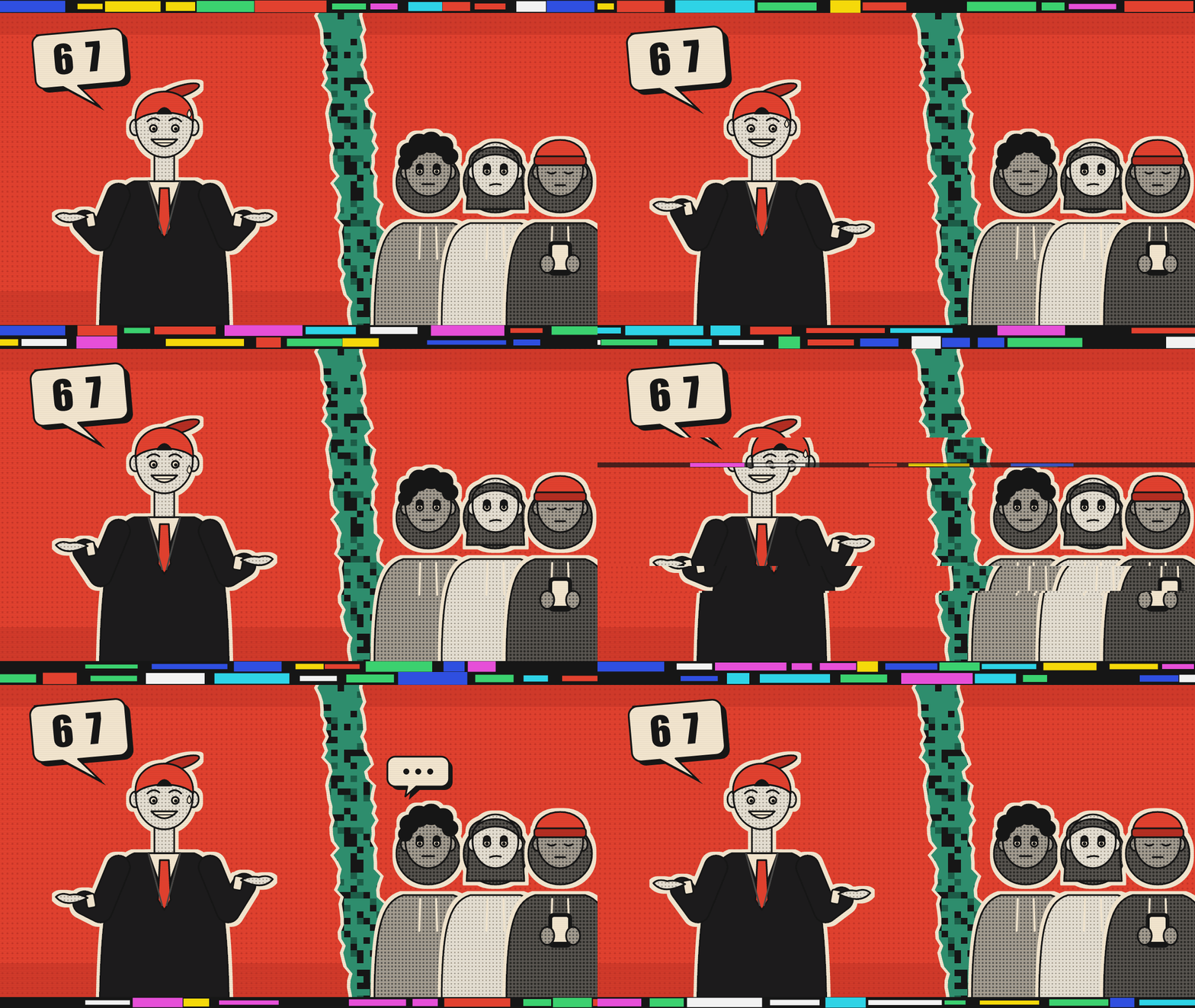
Advertising no longer just wants to convince. It wants to be relatable: approachable, understandable, almost like someone from your own circle of friends. And for that, it adapts its language. It adopts expressions, tone, and humor from exactly the people it wants to reach.
This is closely connected to something that has quietly crept into many people's everyday lives: “memes”. An image, a short video, a sentence over a screenshot, forwarded from person to person, in group chats, in stories, in comments. The term actually comes from the biologist Richard Dawkins, who coined it in 1976. For him, a meme was a cultural unit that spreads by being copied, somewhat like a gene.
That now seems to be the standard. An advertisement should not only be seen; it should be shared. So brands, and not just them, want to be as catchy as a meme, or at least dramatic enough to stick briefly in the endless stream. The philosopher Georg Franck already found a term for this in the nineties: the economy of attention. Attention is the scarce currency everyone competes for.
Continue reading
Read for free
Subscribe to the newsletter and read all articles in full – plus new essays directly to your inbox.
No spam. Unsubscribe anytime.
Already subscribed? Read on this device →Reply to this essay
Your message goes straight to me. None of it is published.
- Language · AI · SocietyHave Translation Apps Killed Language Learning? An Honest Assessment.DeepL translates in seconds better than most non-native speakers. And yet here I sit with seven languages in my head, regretting nothing.
- AI · Language · PhilosophySemantic SatiationWhy I'm done debating the future of AI – and starting to use it.
- Language · Expression · IdentityUnderstated ExpressionOn Expression in Adult Life – in a Language and Culture That Aren't Quite Your Own.